Robotic total station
Robotic total station
Robotic total station
Robotic total station
How a robotic total station works
How a robotic total station works
How a robotic total station works
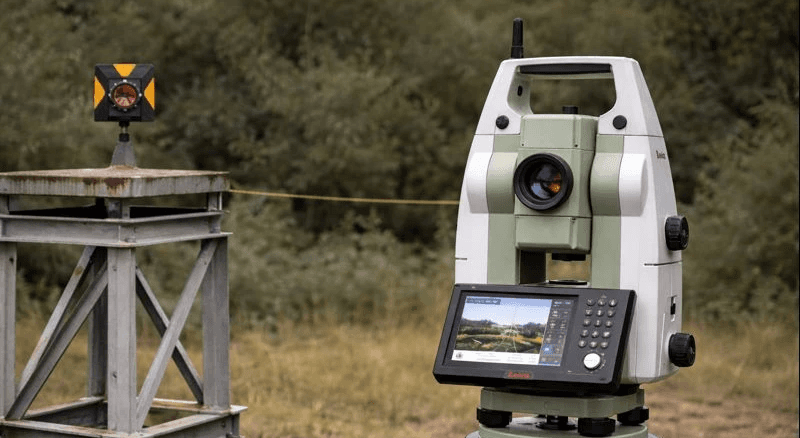
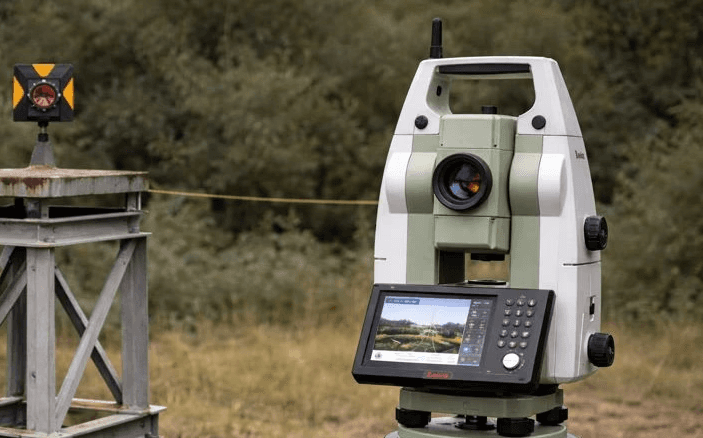
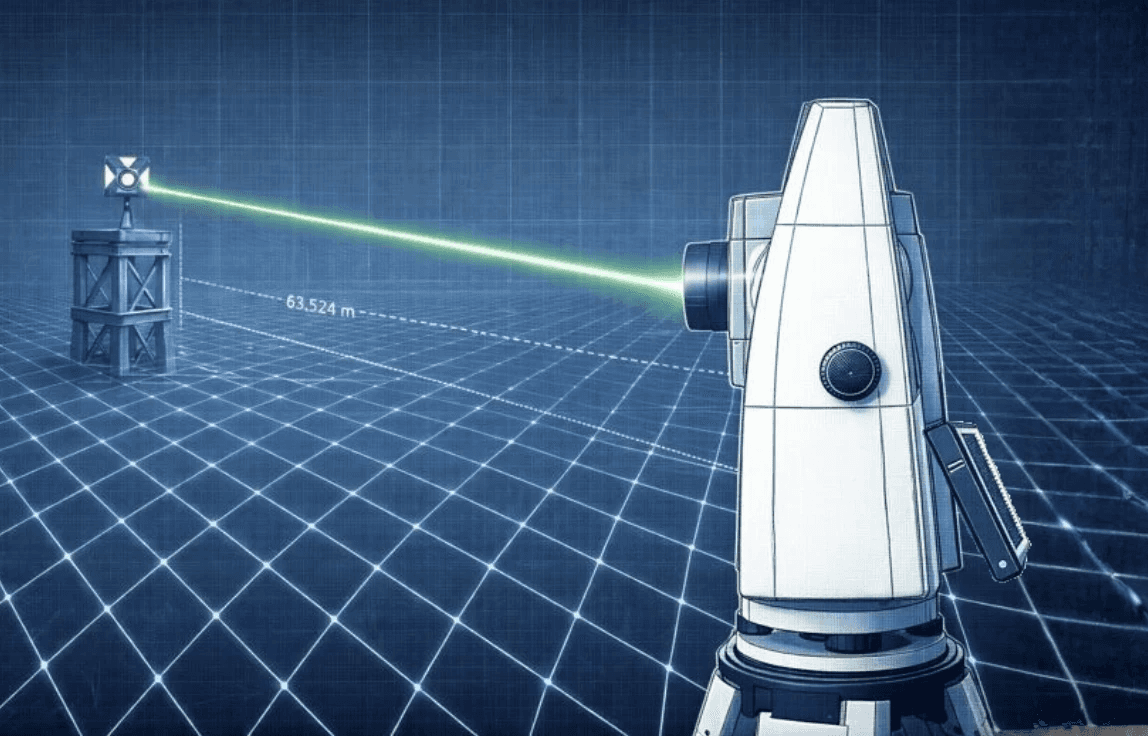
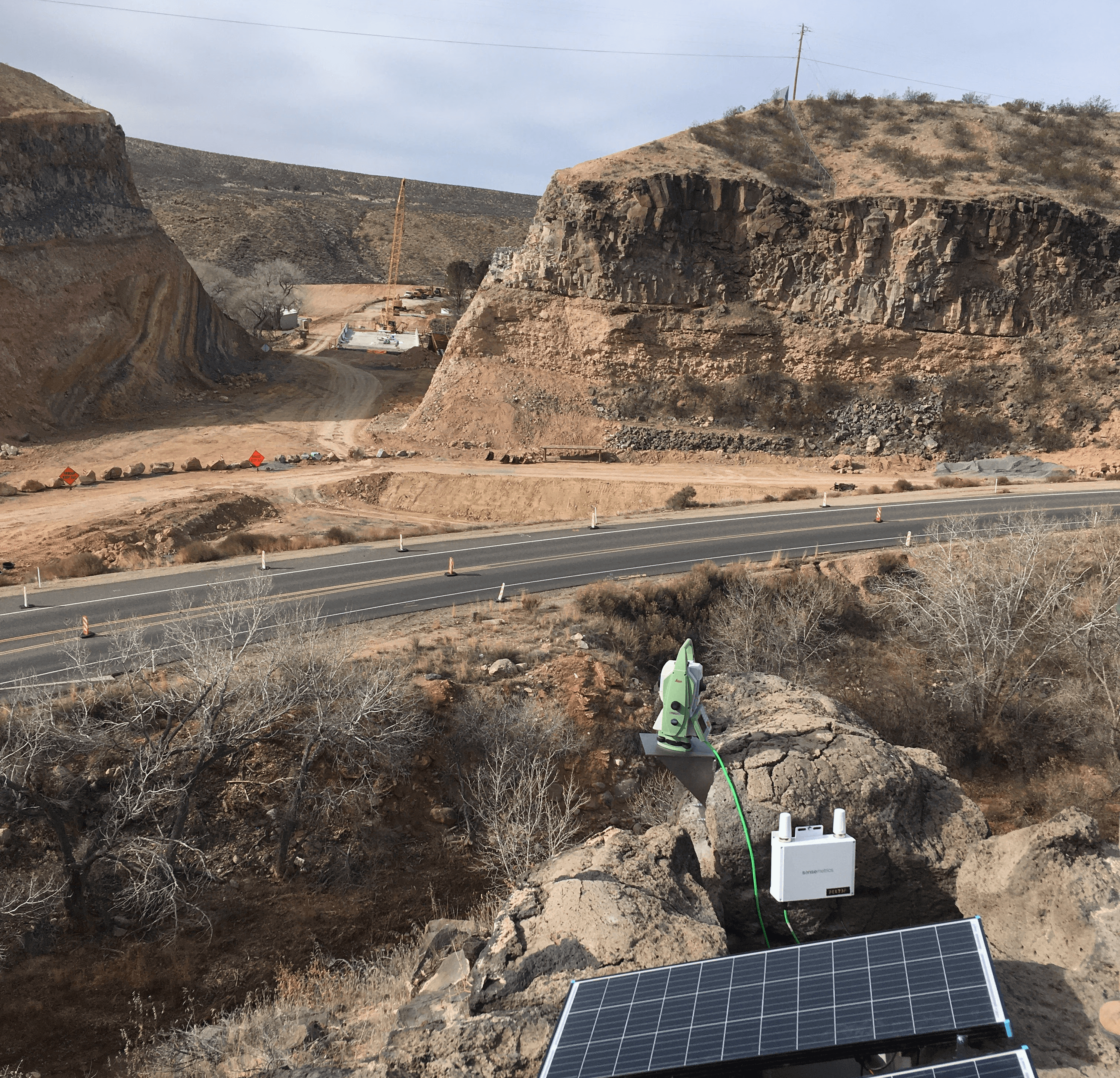
The station is installed in a fixed location and directs a laser toward each prism mounted on the structure or area being monitored. These prisms are placed on the elements you want to measure, and the station uses the returned laser signal to calculate each prism’s relative position and determine whether movement has occurred in the X, Y, or Z directions.
A surveying prism contains three internal mirrors arranged at right angles. This corner-cube design reflects the laser back to the station regardless of the prism’s orientation.
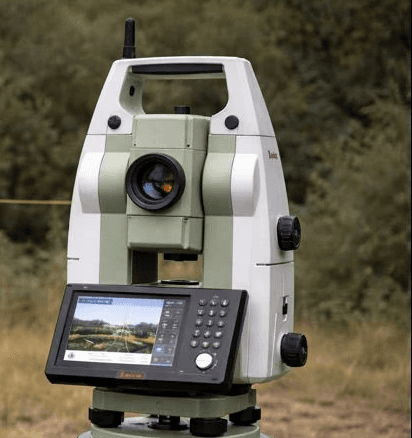
Like a standard surveying total station, the system measures position with high precision, but unlike traditional manual surveying, an automated robotic total station is designed to operate on its own after deployment, collecting readings at whatever interval the project requires.
The station is installed in a fixed location and directs a laser toward each prism mounted on the structure or area being monitored. These prisms are placed on the elements you want to measure, and the station uses the returned laser signal to calculate each prism’s relative position and determine whether movement has occurred in the X, Y, or Z directions.
A surveying prism contains three internal mirrors arranged at right angles. This corner-cube design reflects the laser back to the station regardless of the prism’s orientation.
Like a standard surveying total station, the system measures position with high precision, but unlike traditional manual surveying, an automated robotic total station is designed to operate on its own after deployment, collecting readings at whatever interval the project requires.
The station is installed in a fixed location and directs a laser toward each prism mounted on the structure or area being monitored. These prisms are placed on the elements you want to measure, and the station uses the returned laser signal to calculate each prism’s relative position and determine whether movement has occurred in the X, Y, or Z directions.
A surveying prism contains three internal mirrors arranged at right angles. This corner-cube design reflects the laser back to the station regardless of the prism’s orientation.
Like a standard surveying total station, the system measures position with high precision, but unlike traditional manual surveying, an automated robotic total station is designed to operate on its own after deployment, collecting readings at whatever interval the project requires.
Strengths
High precision across long distances
Multiple monitoring points from one instrument
Automated repeated measurements
Reduced field labor after setup
Strong performance for long-term monitoring
Immediate identification of movement trends
Projects suited for AMTS
Strengths
High precision across long distances
Multiple monitoring points from one instrument
Automated repeated measurements
Reduced field labor after setup
Strong performance for long-term monitoring
Immediate identification of movement trends
High precision across long distances
Multiple monitoring points from one instrument
Automated repeated measurements
Reduced field labor after setup
Strong performance for long-term monitoring
Immediate identification of movement trends
Projects suited for AMTS
Strengths
High precision across long distances
Multiple monitoring points from one instrument
Automated repeated measurements
Reduced field labor after setup
Strong performance for long-term monitoring
Immediate identification of movement trends
Projects suited for AMTS
Projects using a Robotic
Total station
Hanksville Diversion

Salt Lake Temple Renovation
Torqueville
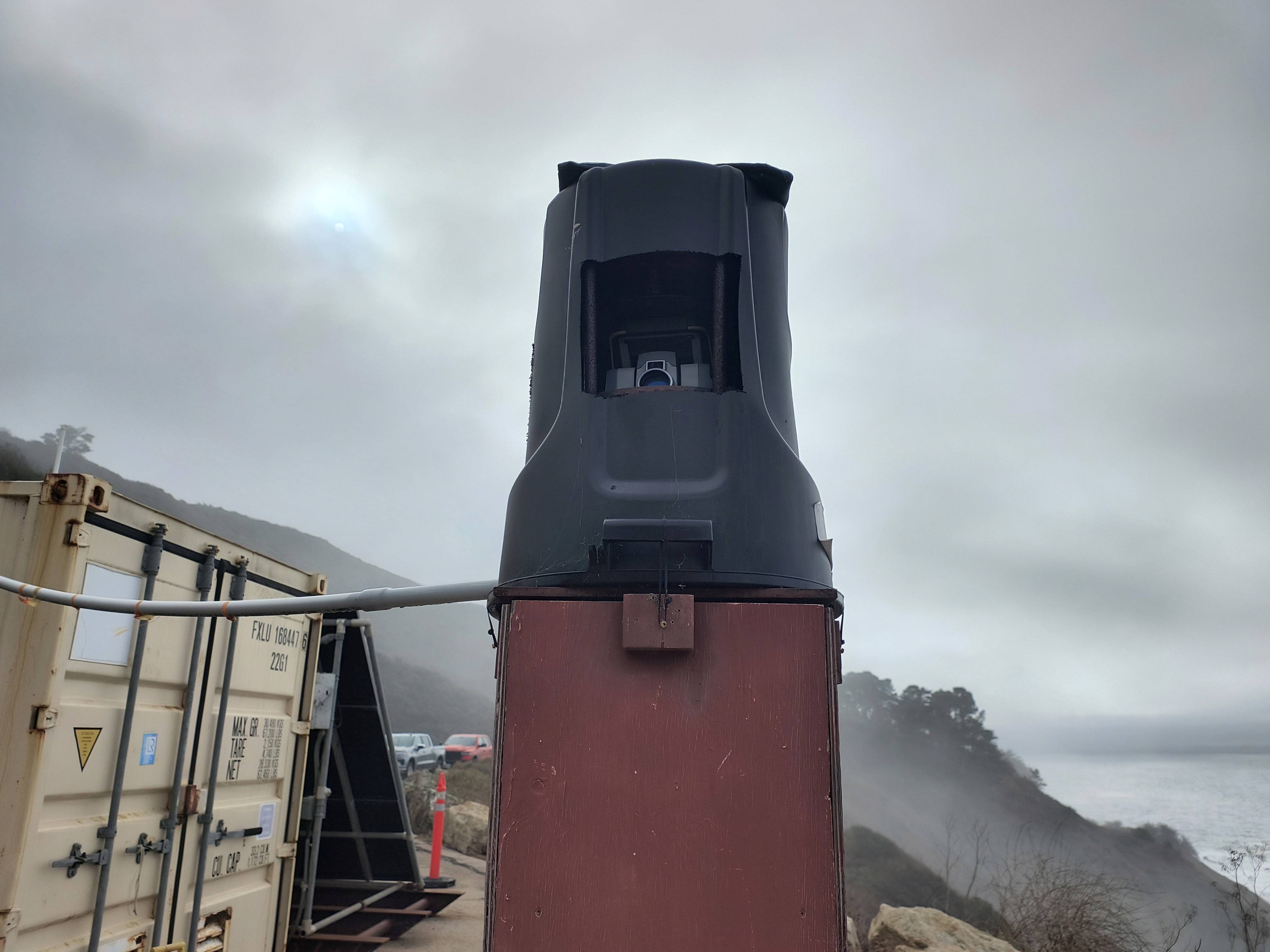
Regents Slide
What to Expect During Setup
Engineering Legacy
An automated robotic total station requires a stable mounting location and a reliable power source before monitoring begins. Because the instrument is highly sensitive, even small movement at the mounting point can affect readings, so the foundation or support structure must remain rigid throughout the monitoring period.
For remote projects, the system is commonly powered by solar with battery backup. In many field applications, an 80-watt solar panel paired with a 12V battery rated at 15 amp-hours or greater can support operation, depending on reading frequency, communication settings, and environmental conditions.
The system also requires a communication device to transmit data. A modem or similar communication unit is typically used to connect the station to the internet. If data will be forwarded to a private platform rather than a hosted monitoring service, the communication setup may also require a static public-facing SIM card depending on the modem configuration.
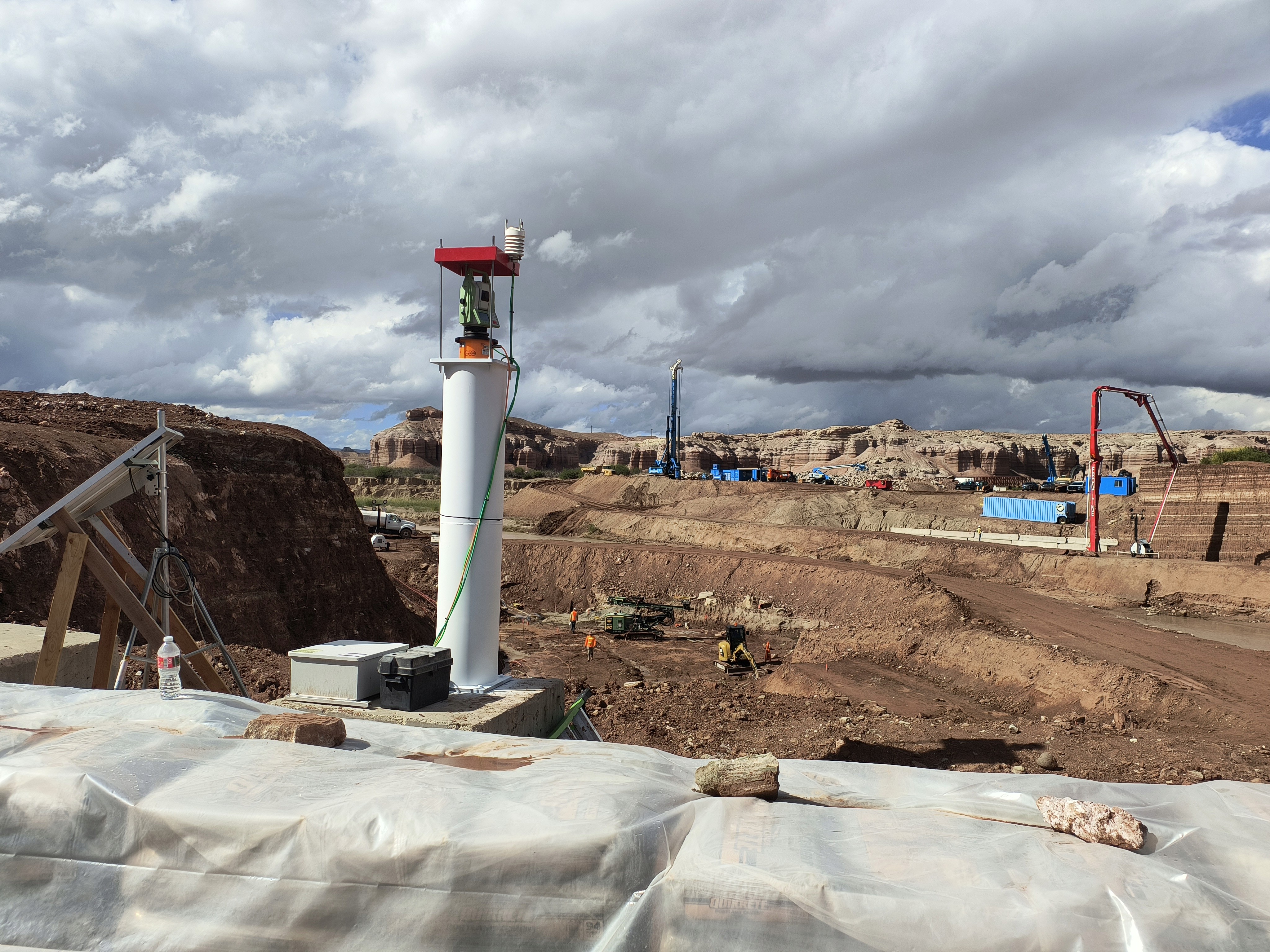
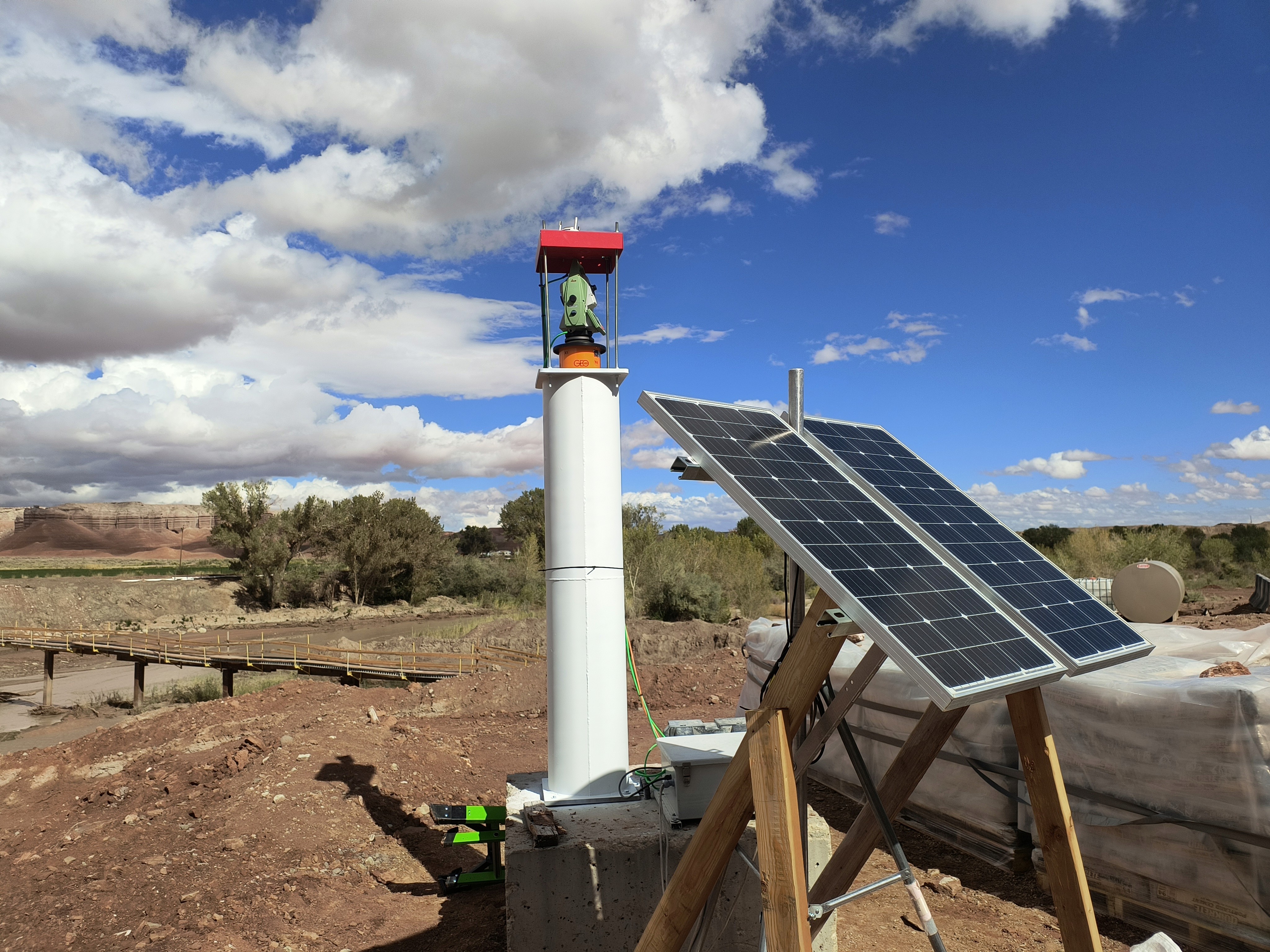
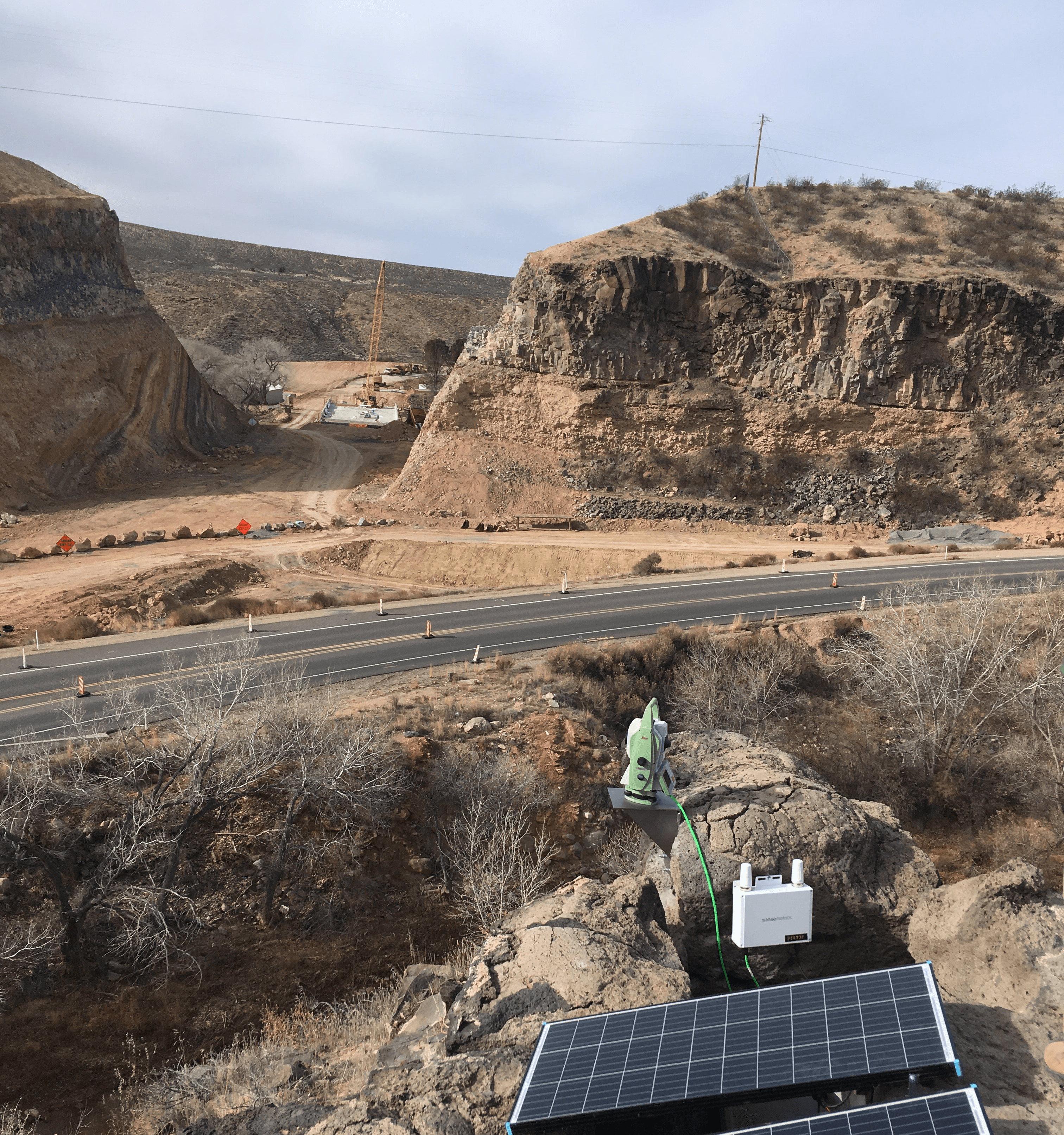
The image below shows one of the field configurations used on the Hanksville Diversion project. In this setup, the Leica TM50 was mounted on a custom white aluminum extension designed to raise the instrument above surrounding obstructions. The aluminum was painted white to reduce radiant heat absorption, since temperature changes can affect instrument stability.
Even with heat reduction measures, thermal effects still caused leveling drift in field conditions, which led to the addition of an automatic leveler beneath the instrument. This became an important lesson from the project: small environmental effects can create measurable impacts when monitoring with high-precision optical equipment.
Projects using a Robotic Total station
Hanksville Diversion
Salt Lake Temple Renovation
Salt Lake Temple Renovation
Projects using a Robotic Total station
Hanksville Diversion

Salt Lake Temple Renovation
Regents Slide
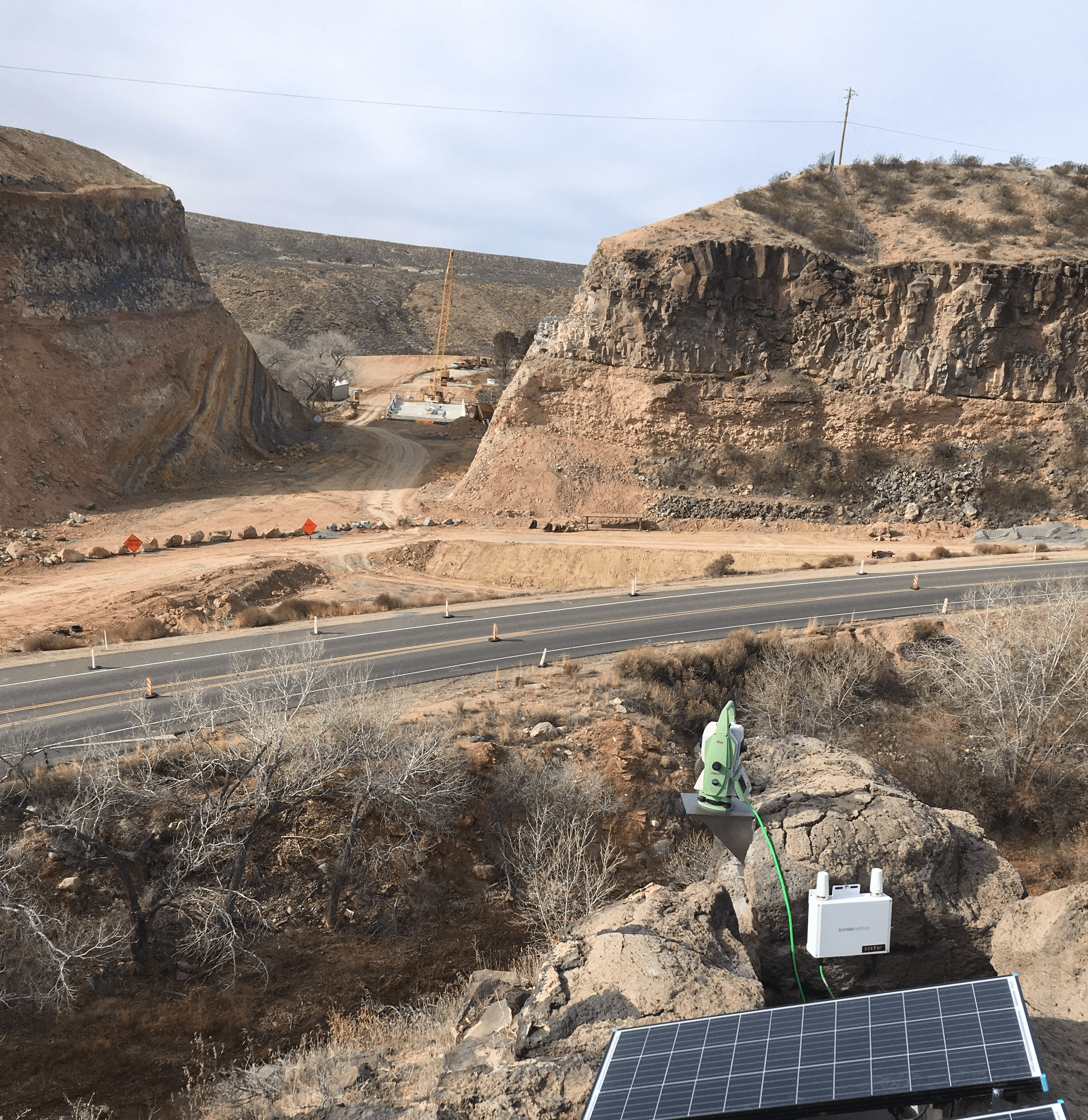
Torqueville
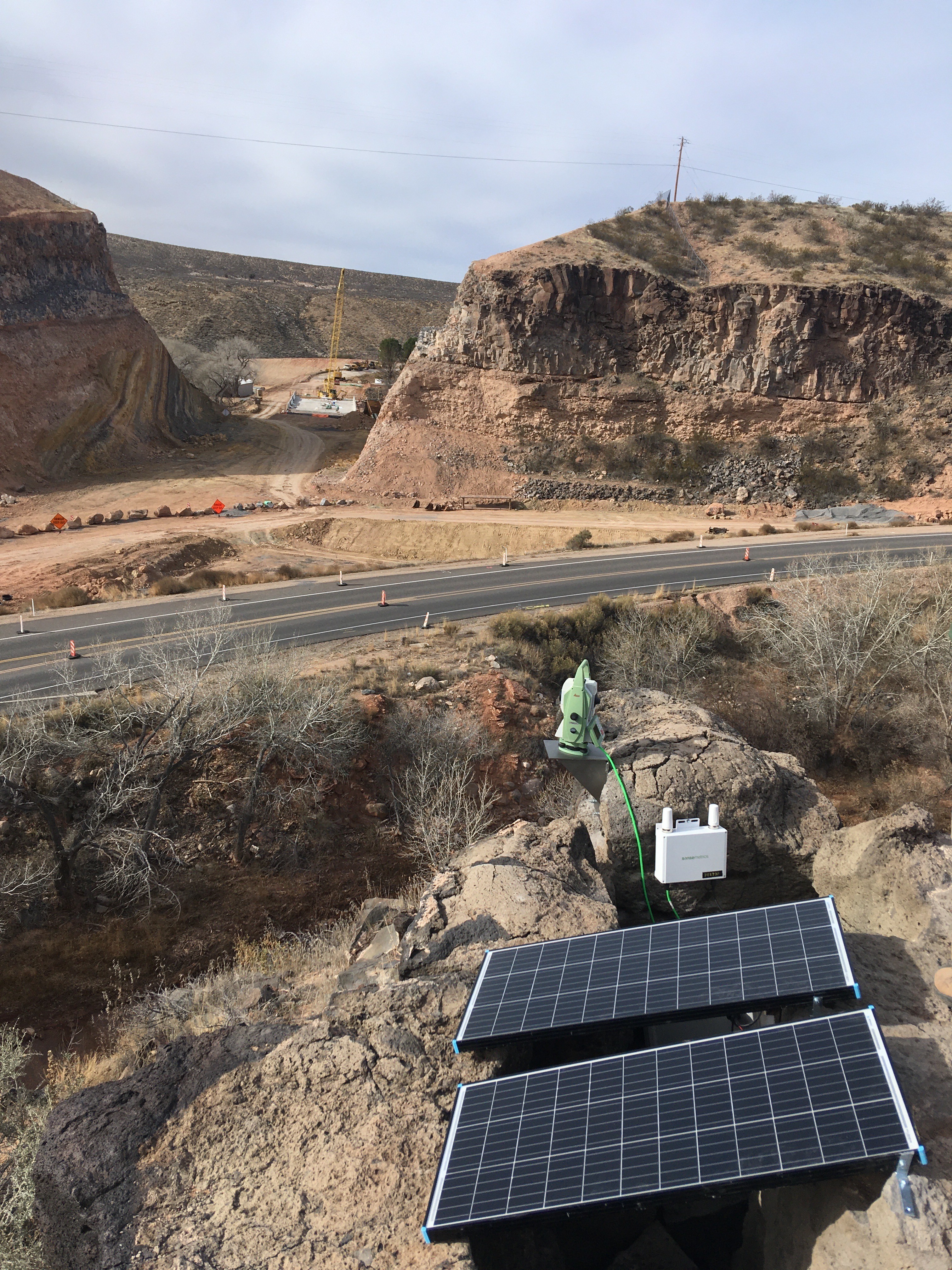
Torqueville
Regents Slide
Regents Slide
Torqueville