
Big J Mill Vibration Monitoring
Big J Mill Vibration Monitoring
Big J Mill Vibration Monitoring
Big J Mill Vibration Monitoring

Big J Mill, Brigham City
Big J Mill, Brigham City
Big J Mill, Brigham City
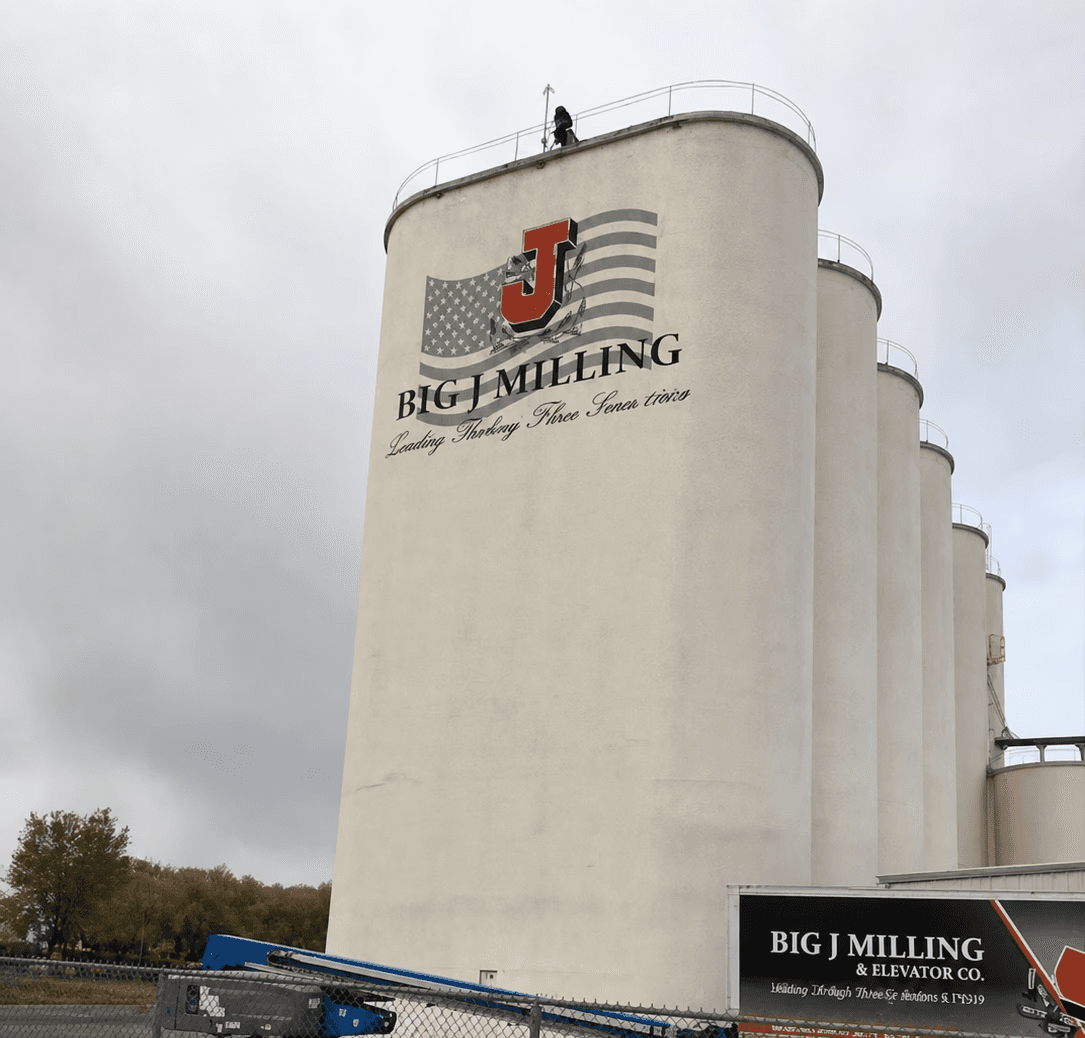
Brigham City was building the Forest Street Viaduct which included heavy construction and pile driving near Big J Milling’s operating grain-silo complex. This posed two risks to the facility: potential movement (differential settlement/tilt) of the tall structures and consolidation of materials inside the silos.
Measure was brought it for continuous, real-time monitoring in three phases: before, during, and after construction. The purpose was to provide the city, contractor, and owner a documented baseline to evaluate the silos’ response to the nearby construction. The data was also used to guide decisions throughout, providing reassurance or warnings if movement outside of the expected range occurred.
Brigham City was building the Forest Street Viaduct which included heavy construction and pile driving near Big J Milling’s operating grain-silo complex. This posed two risks to the facility: potential movement (differential settlement/tilt) of the tall structures and consolidation of materials inside the silos.
Measure was brought it for continuous, real-time monitoring in three phases: before, during, and after construction. The purpose was to provide the city, contractor, and owner a documented baseline to evaluate the silos’ response to the nearby construction. The data was also used to guide decisions throughout, providing reassurance or warnings if movement outside of the expected range occurred.
Brigham City was building the Forest Street Viaduct which included heavy construction and pile driving near Big J Milling’s operating grain-silo complex. This posed two risks to the facility: potential movement (differential settlement/tilt) of the tall structures and consolidation of materials inside the silos.
Measure was brought it for continuous, real-time monitoring in three phases: before, during, and after construction. The purpose was to provide the city, contractor, and owner a documented baseline to evaluate the silos’ response to the nearby construction. The data was also used to guide decisions throughout, providing reassurance or warnings if movement outside of the expected range occurred.
Brigham City was building the Forest Street Viaduct which included heavy construction and pile driving near Big J Milling’s operating grain-silo complex. This posed two risks to the facility: potential movement (differential settlement/tilt) of the tall structures and consolidation of materials inside the silos.
Measure was brought it for continuous, real-time monitoring in three phases: before, during, and after construction. The purpose was to provide the city, contractor, and owner a documented baseline to evaluate the silos’ response to the nearby construction. The data was also used to guide decisions throughout, providing reassurance or warnings if movement outside of the expected range occurred.

Monitoring Approach and System Deployment
Measure installed seven tiltmeters on the silos to monitor changes in verticality and one triaxial accelerometer on the northern silo complex to measure construction vibration. The tiltmeters captured possible differential movement, while the accelerometer measured the vibration reaching the structure. Together, the instruments allowed the team to evaluate both the construction input and the silos’ actual response.
The system transmitted data through a cellular gateway to an online visualization platform, allowing designated stakeholders to review conditions remotely. Measure established baseline data before construction activities of concern, coordinated warning and alarm thresholds with the Owner and design engineer, and configured notifications for key stakeholders.
Throughout the monitoring period, Measure reviewed the data for trends, completed scheduled site inspections and maintenance, and issued regular PDF reports to the contractor, City, Owner, and engineering team. The system was designed to remain in place through construction activity and for a post-construction observation period before demobilization.
Monitoring Approach and System Deployment
Measure installed seven tiltmeters on the silos to monitor changes in verticality and one triaxial accelerometer on the northern silo complex to measure construction vibration. The tiltmeters captured possible differential movement, while the accelerometer measured the vibration reaching the structure. Together, the instruments allowed the team to evaluate both the construction input and the silos’ actual response.
The system transmitted data through a cellular gateway to an online visualization platform, allowing designated stakeholders to review conditions remotely. Measure established baseline data before construction activities of concern, coordinated warning and alarm thresholds with the Owner and design engineer, and configured notifications for key stakeholders.
Throughout the monitoring period, Measure reviewed the data for trends, completed scheduled site inspections and maintenance, and issued regular PDF reports to the contractor, City, Owner, and engineering team. The system was designed to remain in place through construction activity and for a post-construction observation period before demobilization.
Other Interesting Projects
Torqueville
Salt Lake Temple Renovation
Monitoring Approach and System Deployment
Measure installed seven tiltmeters on the silos to monitor changes in verticality and one triaxial accelerometer on the northern silo complex to measure construction vibration. The tiltmeters captured possible differential movement, while the accelerometer measured the vibration reaching the structure. Together, the instruments allowed the team to evaluate both the construction input and the silos’ actual response.
The system transmitted data through a cellular gateway to an online visualization platform, allowing designated stakeholders to review conditions remotely. Measure established baseline data before construction activities of concern, coordinated warning and alarm thresholds with the Owner and design engineer, and configured notifications for key stakeholders.
Throughout the monitoring period, Measure reviewed the data for trends, completed scheduled site inspections and maintenance, and issued regular PDF reports to the contractor, City, Owner, and engineering team. The system was designed to remain in place through construction activity and for a post-construction observation period before demobilization.

Project Value
Instrumentation converted a difficult-to-verify concern into a measurable process. The combined vibration and tilt data gave the project team a way to identify unusual events, compare them against established baseline behavior, and determine whether the silos were experiencing meaningful structural response.
This approach supported construction near an active industrial facility while providing a clear record of conditions for the owner, contractor, and design team.
Other Interesting projects
Hanksville Diversion
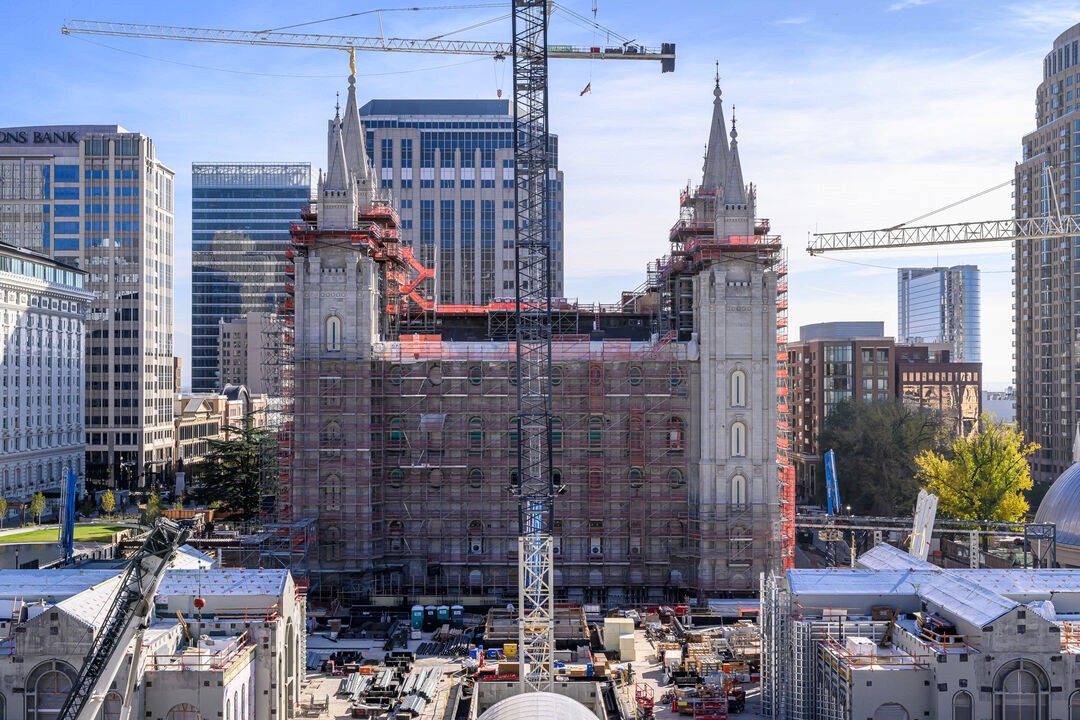
Salt Lake Temple Renovation
Salt Lake Temple Renovation
Other Interesting projects
Hanksville Diversion

Salt Lake Temple Renovation