Trans-Alaska Pipeline System — Yukon River Crossing
Yukon River, north of Fairbanks, AK · Annual Support Contract
Trans-Alaska Pipeline System — Yukon River Crossing
Yukon River, north of Fairbanks, AK · Annual Support Contract
Alyeska Pipeline
Alyeska Pipeline
Alyeska Pipeline
Trans-Alaska Pipeline System — Yukon River Crossing
Yukon River, north of Fairbanks, AK · Annual Support Contract
Alyeska Pipeline
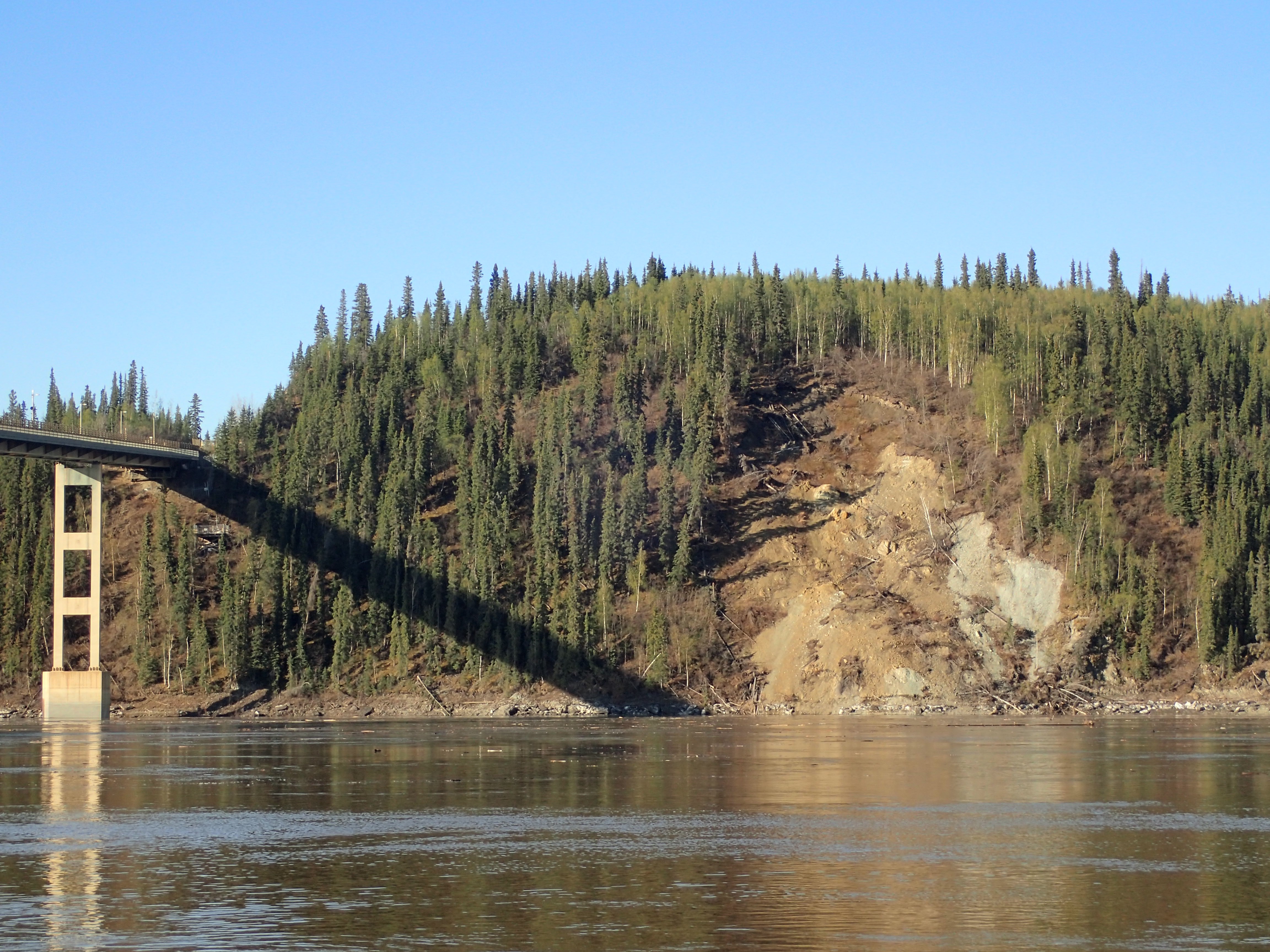
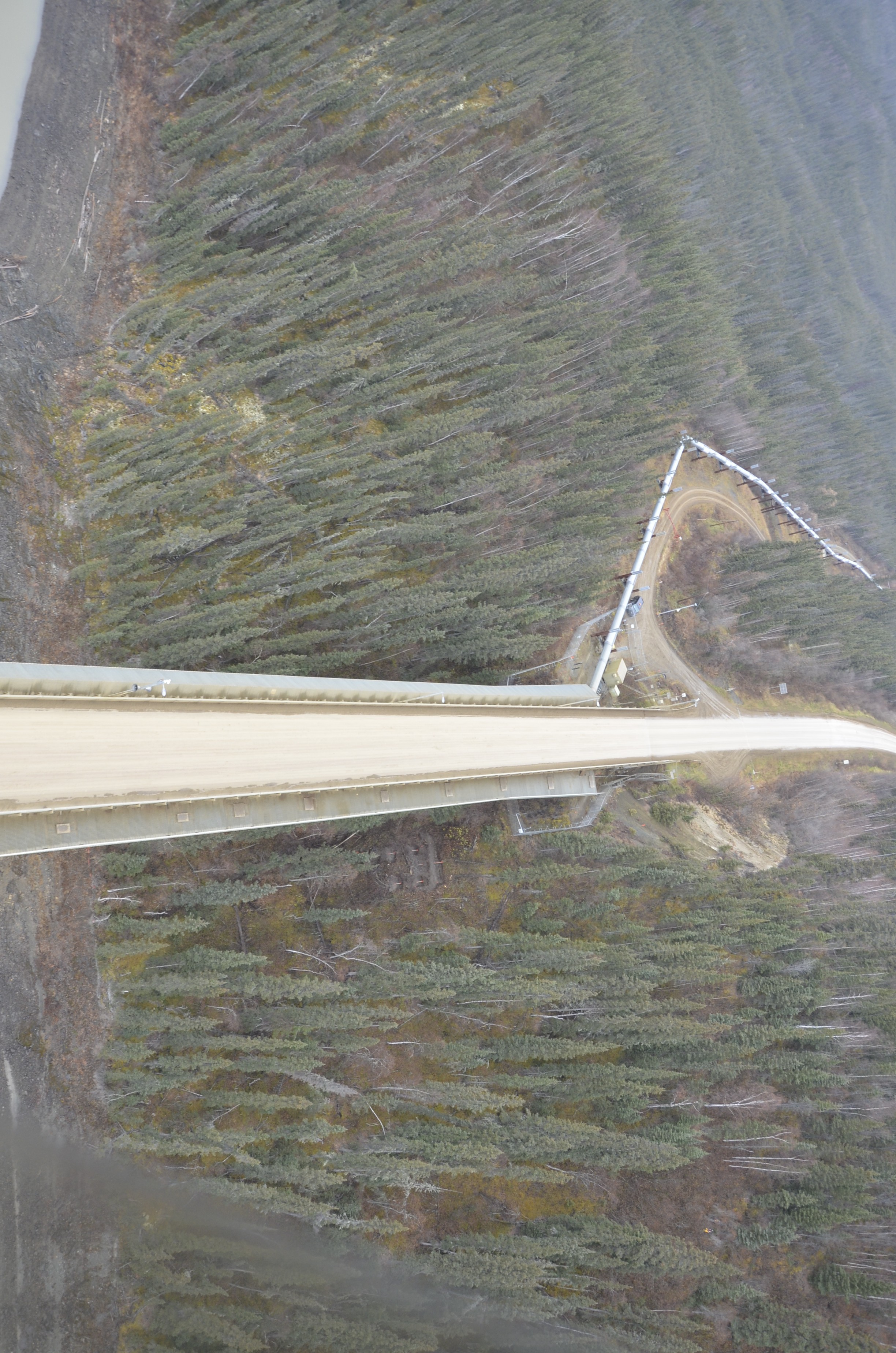
The Trans-Alaska Pipeline System carries crude oil 800 miles from Prudhoe Bay to Valdez across some of the most unforgiving terrain on earth. Where it crosses the Yukon River on the E.L. Patton Bridge, a network of sensors monitors the south bank for the slope movement, groundwater pressure, permafrost temperature, and bridge tilt that could threaten the pipeline and the crossing it depends on.
The Trans-Alaska Pipeline System carries crude oil 800 miles from Prudhoe Bay to Valdez across some of the most unforgiving terrain on earth. Where it crosses the Yukon River on the E.L. Patton Bridge, a network of sensors monitors the south bank for the slope movement, groundwater pressure, permafrost temperature, and bridge tilt that could threaten the pipeline and the crossing it depends on.
The Trans-Alaska Pipeline System carries crude oil 800 miles from Prudhoe Bay to Valdez across some of the most unforgiving terrain on earth. Where it crosses the Yukon River on the E.L. Patton Bridge, a network of sensors monitors the south bank for the slope movement, groundwater pressure, permafrost temperature, and bridge tilt that could threaten the pipeline and the crossing it depends on.
The Trans-Alaska Pipeline System carries crude oil 800 miles from Prudhoe Bay to Valdez across some of the most unforgiving terrain on earth. Where it crosses the Yukon River on the E.L. Patton Bridge, a network of sensors monitors the south bank for the slope movement, groundwater pressure, permafrost temperature, and bridge tilt that could threaten the pipeline and the crossing it depends on.
Monitoring Approach and System Deployment
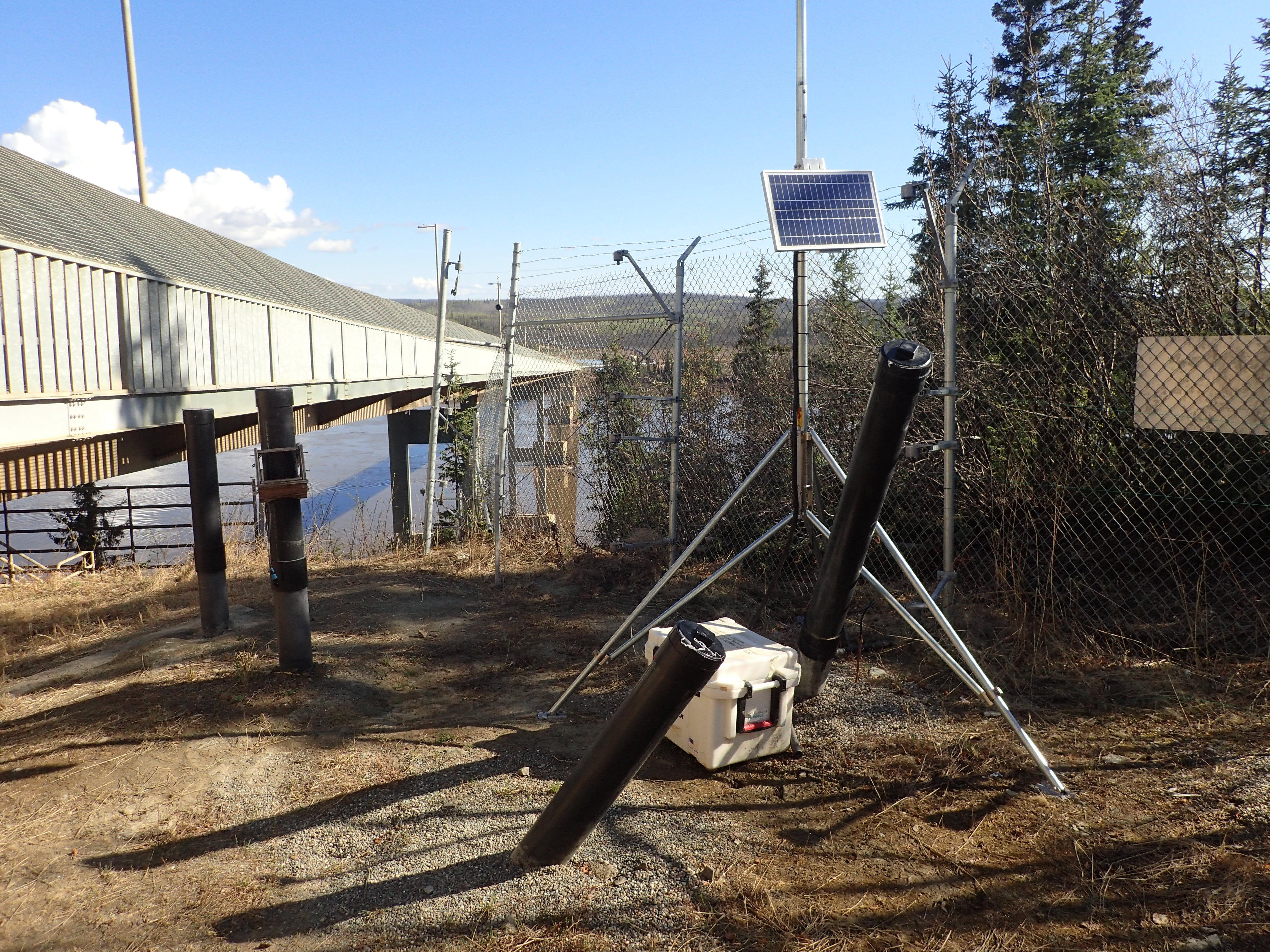
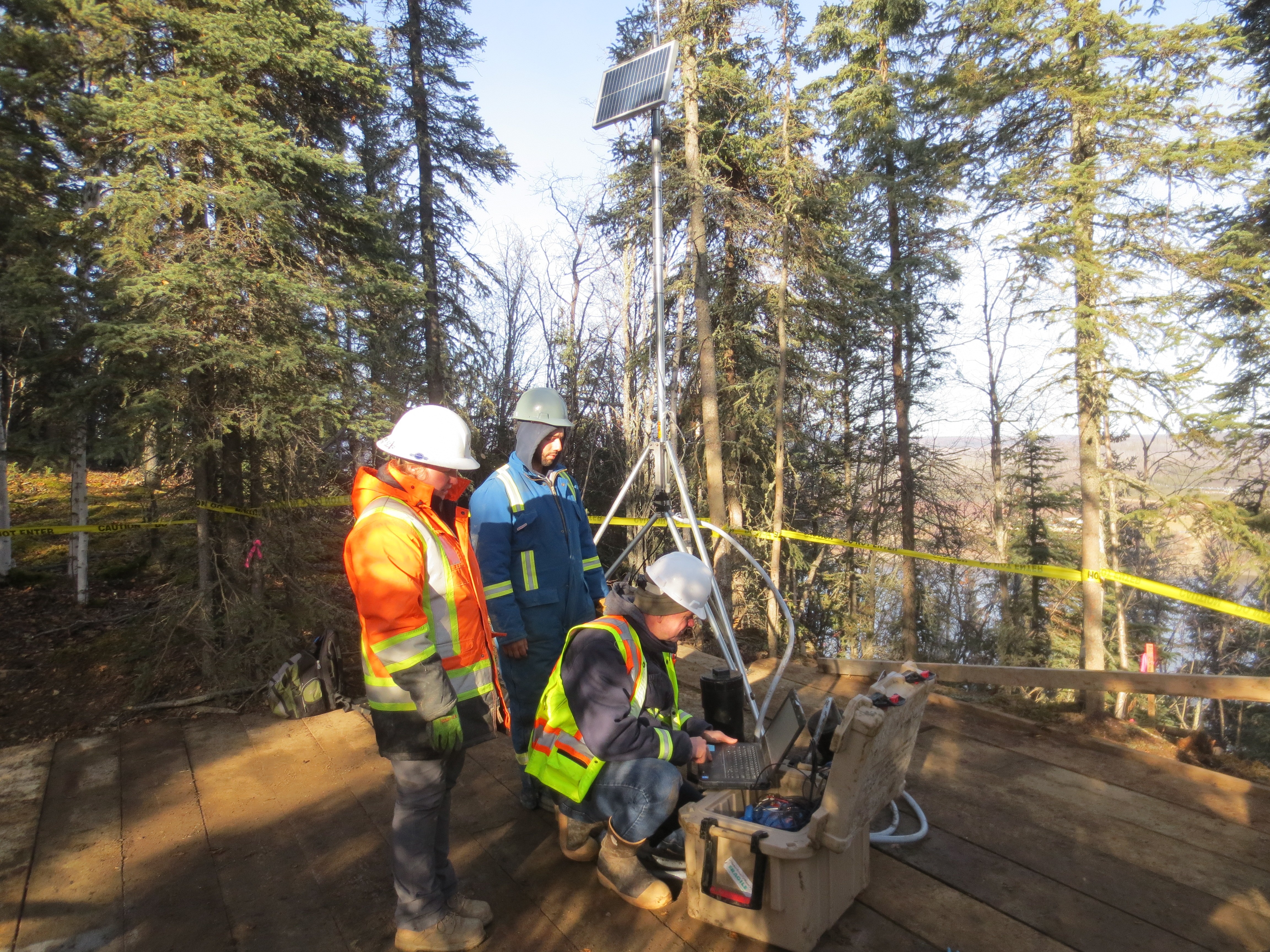
From 2020 to 2024, we provided on-call instrumentation services to Tetra Tech Canada for the Campbell Scientific datalogger systems running that network. Shape arrays track lateral ground deformation at four locations along the slope. Thermistor cables measure ground temperature at depth. Piezometers monitor groundwater pressure at multiple points across the right-of-way. Tiltmeters on the bridge abutment watch for structural movement in two planes. Each year we worked with Tetra Tech to assess what the system needed, then traveled to site to execute it — integrating previously offline sensors into the automated network, upgrading solar capacity, and connecting the dataloggers to Alyeska's proprietary intranet for near-real-time remote access from their Fairbanks office.
Working at a remote Arctic site means there is no room for missing parts or incomplete planning. Every trip requires intensive logistics coordination to ensure the right equipment arrives before the installation window closes.
From 2020 to 2024, we provided on-call instrumentation services to Tetra Tech Canada for the Campbell Scientific datalogger systems running that network. Shape arrays track lateral ground deformation at four locations along the slope. Thermistor cables measure ground temperature at depth. Piezometers monitor groundwater pressure at multiple points across the right-of-way. Tiltmeters on the bridge abutment watch for structural movement in two planes. Each year we worked with Tetra Tech to assess what the system needed, then traveled to site to execute it — integrating previously offline sensors into the automated network, upgrading solar capacity, and connecting the dataloggers to Alyeska's proprietary intranet for near-real-time remote access from their Fairbanks office.
Working at a remote Arctic site means there is no room for missing parts or incomplete planning. Every trip requires intensive logistics coordination to ensure the right equipment arrives before the installation window closes.
Suppliers and Partners
Suppliers and Partners
The Trans-Alaska Pipeline System carries crude oil 800 miles from Prudhoe Bay to Valdez across some of the most unforgiving terrain on earth. Where it crosses the Yukon River on the E.L. Patton Bridge, a network of sensors monitors the south bank for the slope movement, groundwater pressure, permafrost temperature, and bridge tilt that could threaten the pipeline and the crossing it depends on.
Sensors: Measurand Shape Arrays · Vibrating Wire Piezometers · Geokon Tiltmeters · Ground Temperature Cables · Solinst Barologger
Hardware: Campbell Scientific CR1000 · LoggerNet Remote
Partners: Tetra Tech Canada · Alyeska Pipeline Service Company
Monitoring Approach and System Deployment
From 2020 to 2024, we provided on-call instrumentation services to Tetra Tech Canada for the Campbell Scientific datalogger systems running that network. Shape arrays track lateral ground deformation at four locations along the slope. Thermistor cables measure ground temperature at depth. Piezometers monitor groundwater pressure at multiple points across the right-of-way. Tiltmeters on the bridge abutment watch for structural movement in two planes. Each year we worked with Tetra Tech to assess what the system needed, then traveled to site to execute it — integrating previously offline sensors into the automated network, upgrading solar capacity, and connecting the dataloggers to Alyeska's proprietary intranet for near-real-time remote access from their Fairbanks office.
Working at a remote Arctic site means there is no room for missing parts or incomplete planning. Every trip requires intensive logistics coordination to ensure the right equipment arrives before the installation window closes.